
Cancellations and overbooking on Airbnb and Booking: penalties and how to avoid them
· 1 min
Want to know what drives electricity use in your holiday apartment and how to keep it under control? In this article we give you some key tips and tricks for saving
Leticia Heres · · 5 min read
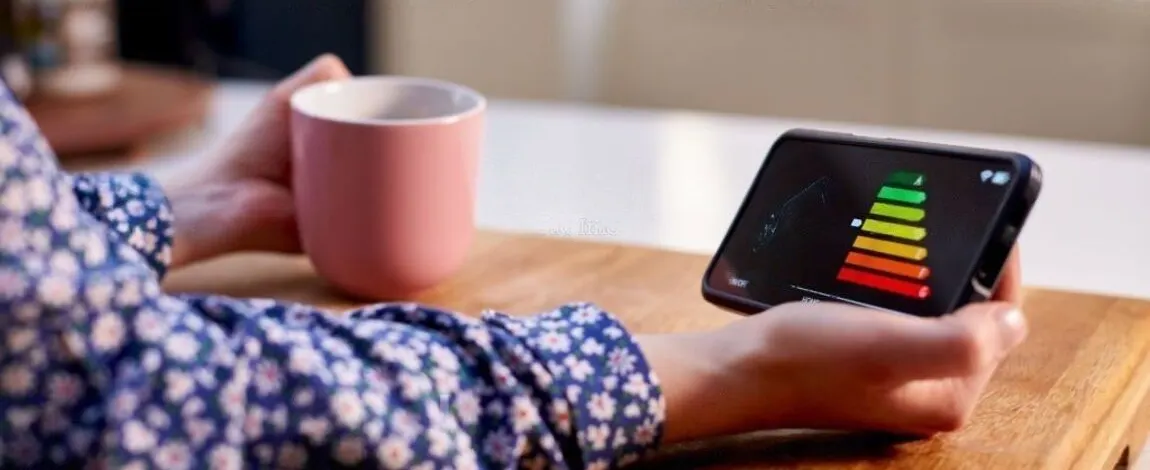
To control electricity use in a holiday apartment, you first need to identify which appliances use the most energy and then apply measures such as installing LED lighting, checking the insulation, choosing efficient appliances, regulating heating and air conditioning and avoiding unnecessary use. It is also worth measuring the cost per stay to spot unusual increases.
When we think about electricity use, light bulbs and sockets are what spring to mind, but there are many less obvious things that affect a home's electricity consumption. Cutting this consumption is just one of the ways to make your holiday let more sustainable and profitable.
For example, how many appliances do you have? What is their energy rating? Most holiday properties have a kitchen, which usually has lots of large and small appliances. These normally carry an energy efficiency label ranging from A to G. The closer your appliances are to A, the less energy they will use. Also, does your property have a gas water heater or an electric boiler? Do you offer a washing machine and a tumble dryer? Does it have air conditioning? All these optional appliances can lead guests to use more energy, so it is important to think about which services you want to offer and what the best option is.
On another note, are the windows in your property well insulated? If it is a new build, it almost certainly is, but if the building is a few years old you may need to check there are no gaps letting air and heat escape. Poor insulation can make your property lose up to 15% of its heat, which means you have to spend more on heating to keep the temperature up.
Finally, how many light bulbs does your holiday-let property have? Are they all necessary? Are they energy-efficient? Understanding where the property needs lighting and optimising how it is installed can help with your electricity bill.
Of course, it is not always easy to identify everything that can affect energy use, so it never hurts to rely on experts to help you optimise your property. At beBalmy we offer advice and help you get your accommodation into shape.
Once you have a clear idea of where your property could improve, the next step is to make changes that let you save on your electricity bill and attract more guests.
If your appliances are old, the best advice is always to buy ones with an A energy rating, or as close to it as possible. Although they may seem a little more expensive at the time of purchase than less efficient alternatives, in the long run these efficient appliances will save you money. This is just one example of cheap improvements that increase the return on your flat.
Also, now that you have worked out which services you want to offer in your property, you may be able to do without some appliances, such as the washing machine. Would you rather offer as many services as possible without having to pay sky-high bills? You can include an extra charge for energy use in the price of the stay. That way, your guests are sure to be more careful when using electricity and you can avoid sky-high bills.
When it comes to insulation, the key lies in the window frame and the glass. Did you know that PVC is one of the best insulating materials for windows, according to the OCU (Spain's consumers' organisation)? Combined with good low-emissivity glass, it can reduce your property's consumption by up to 70%. With good insulation, you may be able to cut down how long the heating is on, or even get rid of a heater or two.
Speaking of cutting down usage time, these days there are plenty of options to stop lights being left on or appliances staying on standby. Some recommendations are:
In addition, replacing all conventional light bulbs with LED bulbs will also help reduce your property's electricity use. Each LED bulb can save you €14 a year, so updating your property's lighting with low-energy bulbs can really make a difference.
Finally, it can be a good idea to encourage your guests to use electricity mindfully. You could put consumption figures next to each appliance or offer suggestions such as taking 5-minute showers, filling the dishwasher or using the small flush button to save water. Guests who care about the environment will appreciate it, and those who are not yet aware of it may start to be, thanks to you.
As we have seen, there are many aspects of holiday-let accommodation that can affect energy use, so it is important to know them in order to apply measures that help you save. The good news is that there are plenty of options and in some cases, such as educating guests or adding their energy use as an extra charge on their stay, they do not even cost the owner anything. However, it is not always easy to spot these opportunities for improvement, so the best thing is to rely on professionals who can lend you a hand.
At beBalmy we care about our clients getting the very most out of their properties, in energy use as well as in comfort and appearance. And do not forget to look at security for holiday accommodation too. Would you like us to analyse your property for free? You can contact us through this form and we will get in touch with you.
First identify which appliances use the most: kitchen appliances, the water heater or boiler, washing machine and tumble dryer, air conditioning and lighting. Then apply measures such as LED bulbs, good insulation, efficient appliances, controlled heating and cooling, motion sensors and sockets with timers. It is also worth measuring consumption per stay to spot abnormal increases.
According to the guide, poor insulation can make a home lose up to 15% of its heat and force you to spend more on heating. The key lies in the window frame and the glass: PVC is one of the best insulating materials according to the OCU (Spain's consumer organisation), and combined with low-emissivity glass it can reduce the home's consumption by up to 70%.
Ones with an A energy-efficiency rating, or as close to it as possible, on a scale running from A to G. Although they cost a little more to buy, in the long run they mean savings. It is also worth thinking about which services you want to offer: you may be able to do without some appliances, such as the washing machine.
With motion sensors in through areas such as the entrance, corridors or bathrooms, which switch the light on when they detect movement and off shortly afterwards, and with timer sockets in the kitchen for the toaster, kettle or other small appliances. This option also exists for the hob and oven, and prevents accidents as well as consumption.
The guide suggests it as an option: including an additional energy-consumption charge in the price of the stay, which makes guests more careful with electricity and avoids sky-high bills. Another measure that costs the owner nothing is to steer them towards conscious consumption, with information next to each appliance or suggestions such as five-minute showers.
We tell you what your property could earn, what needs work first and what we take off your hands. Free, with no commitment.