


I bought an apartment in Dubai: how holiday letting works
· 6 min
In central Madrid most flats cannot be registered as tourist lets, and it is almost never down to paperwork. Here is what decides it, which authorities have to say yes, and what to do if your flat falls outside the rules.
Leticia Heres · · 5 min read
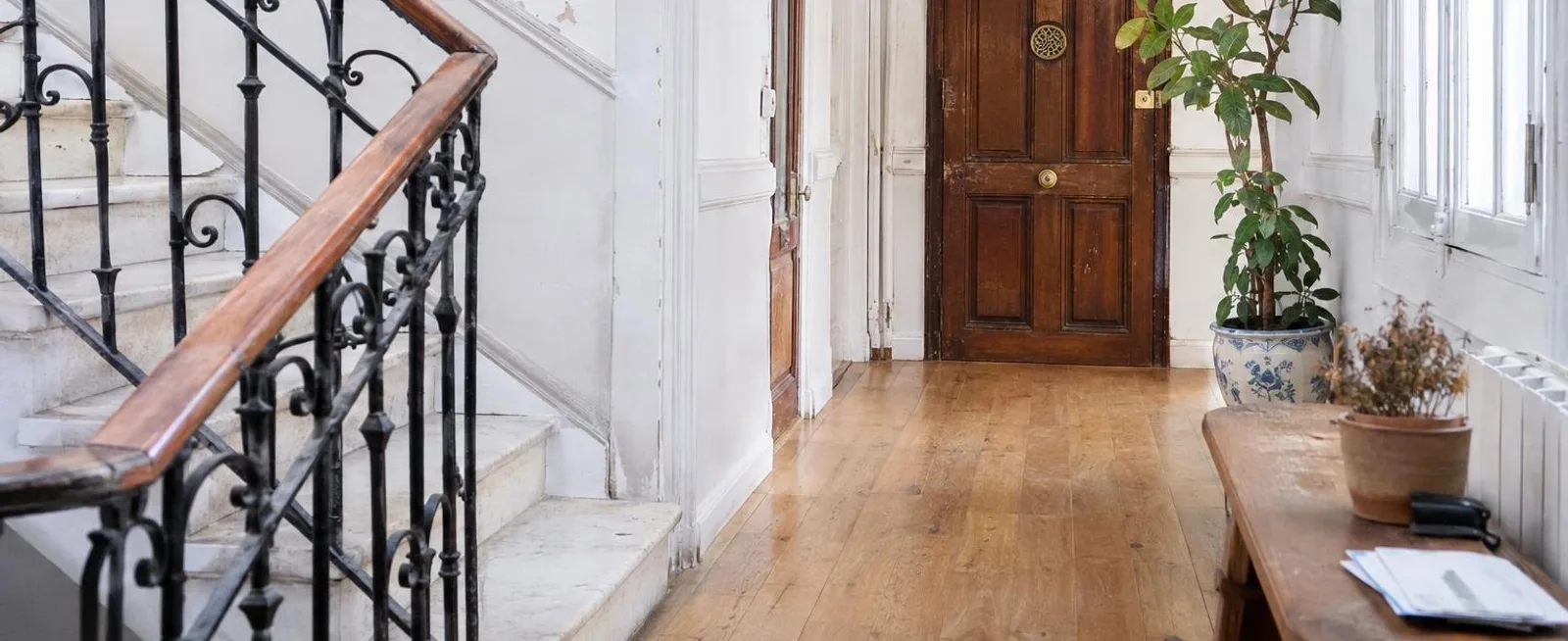
Someone inherits a flat in Chamberí, or buys a studio near Malasaña, and the first thing they think of is putting it on Airbnb. The surprise comes when they read the small print: in central Madrid, most flats cannot be registered as a vivienda de uso turístico (VUT, Spain's short-term tourist-let category), however much the owner wants it and however immaculate the flat is.
And it is not down to slow paperwork. The city's planning rules protect residential use and set a condition that almost no flat in a block can meet: to operate as a tourist let inside the almendra central (the city core within the M-30 ring road), the accommodation cannot share the entrance, stairwell or lift with the building's homes. A flat on a third floor, using the same front door as its neighbours, is ruled out by design.
So before you take photos and work out nightly rates, the question that really matters is not "how much will it earn" but "can my flat, where it is, be a tourist let at all?". Let us answer it in layers, because three different authorities have to give their approval and each looks at a different thing.
The answer lies in city planning. In 2025 Madrid City Council approved a change to its general plan, known as the Plan Reside, which shields residential use in the districts under most pressure.
In the historic centre, a tourist let cannot sit alongside ordinary homes in the same building: it only fits if the whole building is given over to accommodation. Outside that core, it is allowed on the ground or first floor as long as it has independent access from the street, without going through the shared entrance. In plain terms: the ordinary flat, up several floors and sharing a single front door, does not qualify.
This explains a figure that stands out. In the Centro district around 6% of homes are tourist lets, nearly one in seventeen, and around Sol the share climbs much higher, according to INE data reported by the press. That concentration is exactly what the rule is trying to slow down, which is why the conditions for opening a new one are so strict.
Many people think the "tourist licence" is a single procedure. It is two, at two different offices, and you need both.
The council looks at location: whether tourist use fits, in planning terms, where your flat is. This is the Plan Reside filter we have just seen, and it is the one that stops most central cases. If your flat does not pass this one, the rest is irrelevant.
The Comunidad de Madrid (the regional government) looks at the home itself: habitability and safety. This is where the CIVUT comes in (Certificado de Idoneidad para Vivienda de Uso Turístico, the regional suitability certificate), a technical certificate confirming that the flat meets the minimum required conditions. With it you file a declaración responsable (a self-certified notice of activity) with the region, which is what issues the regional registration number. The step-by-step process is in our guide to getting a tourist licence in Madrid; what matters here is the order, planning first and the certificate second.
It is worth knowing that this regional rulebook has been through the wringer. The courts have struck down requirements of the decree that governs the activity. The Supreme Court removed, for instance, the obligation to show the registration number in all advertising, according to the judiciary itself. It is ground that keeps shifting, so whatever you read is worth checking against its date.
In late 2024 the Government created a single national register for short-term lets, with a number you needed in order to advertise on platforms (Royal Decree 1312/2024). But in May 2026 the Supreme Court annulled that single-register procedure for encroaching on regional powers, as the registrars explain. The digital one-stop portal is still standing, but that national number is no longer required in its original terms.
So what is left? In Madrid, the register that counts is the regional one, the one that comes out of the declaración responsable with the CIVUT. If a management company or a portal tells you that you "need the national number", ask what date that information is from: today the map is different.
There is one more brake, and it is the one that catches most owners off guard: the residents' association. Since April 2025 the Ley de Propiedad Horizontal (Spain's commonhold property law) lets the association limit, condition or ban tourist letting with the vote of three fifths of the owners, and charge up to 20% more in shared costs to those flats (Organic Law 1/2025).
The underlying shift matters: before, the activity was allowed unless it was banned; now, in practice, you need the green light. Even if your flat fits in planning terms and passes the CIVUT, a meeting that votes against can shut the door. That is why it pays to read the association's minutes before buying with tourist letting in mind, not after.
A central flat that cannot be registered as a tourist let is not out of the game. The route that makes most sense for the majority of those flats is the temporary or mid-term rental: contracts of weeks or months for relocating professionals, postgraduate students or someone arriving in Madrid for a move. It needs no tourist licence, though it follows its own contract rules.
And the demand is there. In the flats we manage in Madrid, the typical stay is around five nights, and bookings cluster in spring and early autumn, while December and January are the quiet months. For a temporary rental that pattern stretches further still: someone coming for work or study is after months, not nights, which gives steadier occupancy and far less turnover. Guests, what is more, rate the stay close to nine out of ten on Airbnb when the operation is run well, a sign that mid-term letting does not come at the cost of the experience.
If you are torn between the two routes, we break down when each one suits you in mid-term or holiday rental in Madrid. And if you would rather have someone look at your specific case, where the flat is, what the building allows and what it would really earn, tell us and we will assess it with no obligation.
| Where the flat is | Does a VUT fit? | What to check |
|---|---|---|
| Historic centre, residential building | No, unless the whole building is accommodation | Whether the entire block is given over to tourist use |
| Outside the centre, ground or first floor | Possible | Its own door to the street, no shared entrance |
| Flat on an upper floor with a shared entrance | Very difficult | Consider the temporary rental |
The table is a guide: every file depends on the exact street, the building and what the association decides. But it is enough for the first step, which is knowing whether it is worth starting the procedure or better to look straight at mid-term letting.
In most cases, not as a vivienda de uso turístico. Madrid's planning rules only allow a VUT in the historic centre if the whole building is given over to accommodation, and outside it they require independent access from the street. A flat on an upper floor that shares its entrance with neighbours does not qualify, so the realistic alternative is usually the temporary rental.
The CIVUT (Certificado de Idoneidad para Vivienda de Uso Turístico) is a technical certificate confirming that the home meets the habitability and safety conditions required by the Comunidad de Madrid. A qualified technician issues it, and it is filed together with the declaración responsable (self-certified notice of activity) with the region, which is the authority that issues the regional registration number.
Not in its original terms. The single national register created in late 2024 was annulled by the Supreme Court in May 2026 for encroaching on regional powers. To let in Madrid, the register that counts is the regional one, which comes from the declaración responsable with the CIVUT before the Comunidad de Madrid.
Yes. Since April 2025 the residents' association can limit, condition or ban tourist letting with the vote of three fifths of the owners, and apply a surcharge of up to 20% on shared costs for those homes. It is worth checking the association's agreements before assuming the flat can be used for tourist letting.
No. The temporary or mid-term rental (contracts of weeks or months for work, study or a house move) is governed by the tenancy law, not by tourist regulations, so it needs neither a CIVUT nor a tourist registration. It has its own contract conditions, but it is the usual route for central flats that cannot be registered as a VUT.
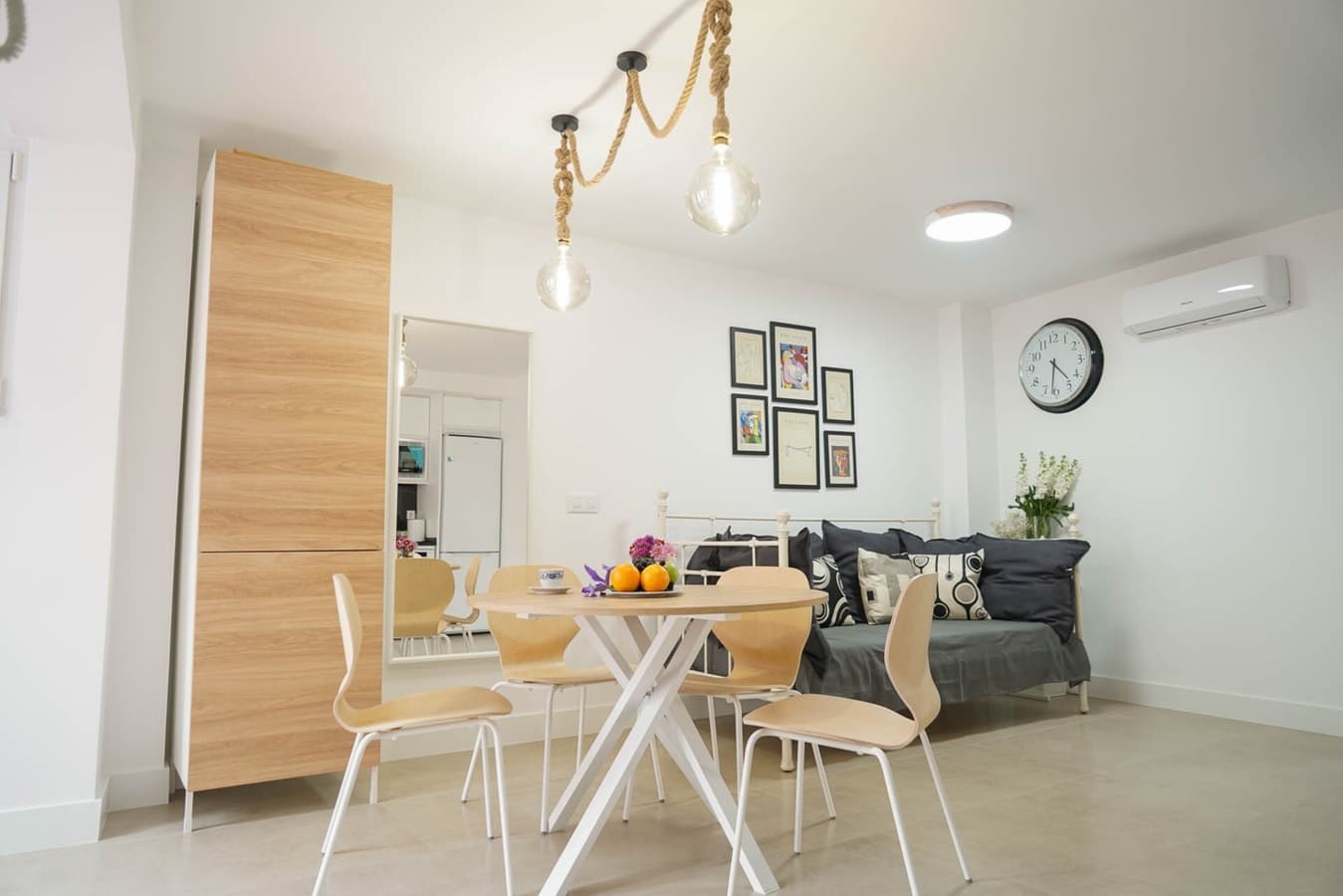
We tell you what your property could earn, what needs work first and what we take off your hands. Free, with no commitment.

