


Taxes on a Dubai flat: how holiday letting is taxed in Spain
· 6 min
Madrid is one of the markets with the highest occupancy in Spain, but since 2025 registering a new tourist flat in a residential building is almost impossible. What occupancy to really expect and when it still pays off.
Leticia Heres · · 7 min read
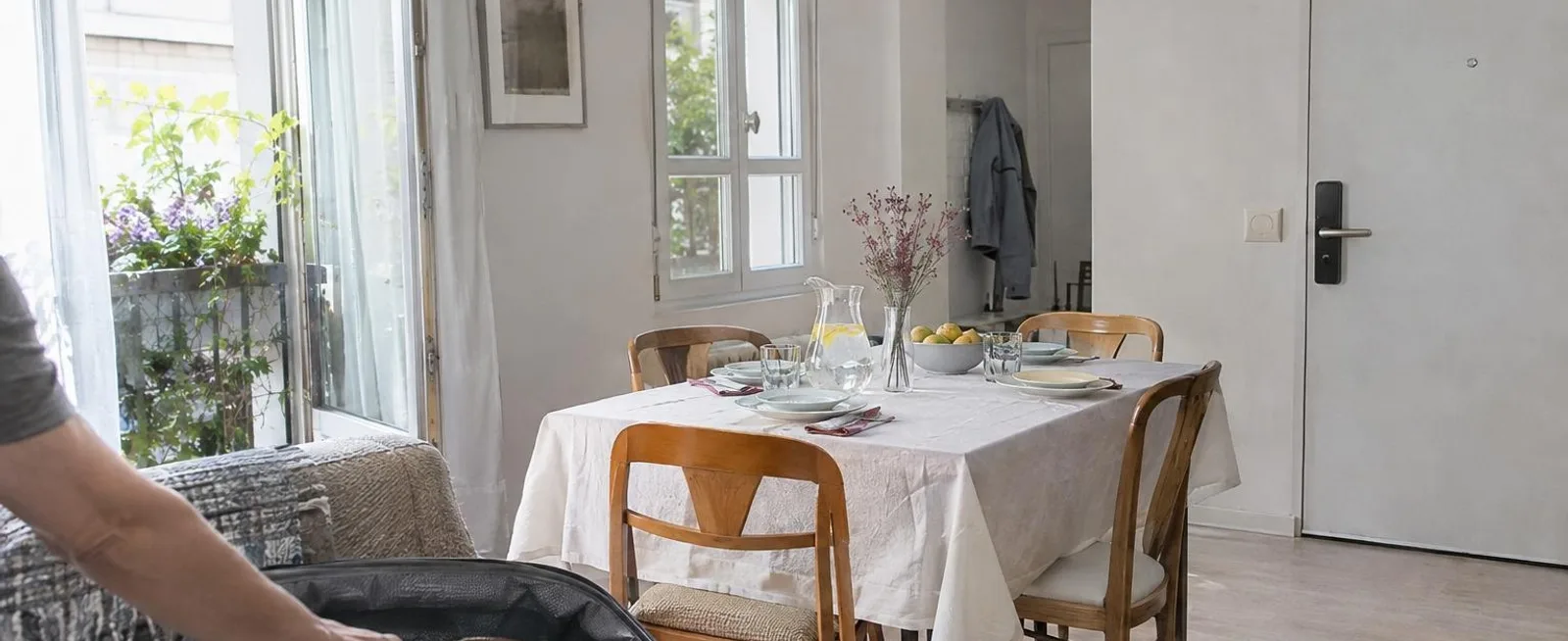
You buy or inherit a flat in Madrid and the first question everyone asks is the same one: should I put it on Airbnb? The second, almost always, is whether it is even worth it any more, with everything that has changed in the law over the past year. The short answer is that Madrid is still one of the markets that fills up best in Spain, but the pitch has narrowed. Registering a new tourist flat in a residential block today is, across much of the city, impossible. So the question of returns is tied to an earlier one: whether your particular flat can be licensed at all.
Let us start with the data rather than opinions. According to the INE survey of occupancy in tourist accommodation, the Community of Madrid tops the occupancy of tourist apartments in all of Spain, with close to 80% of places full during the strong months. A legal, well-run flat with good reviews has no demand problem in Madrid. When there is a problem, it is almost always in the paperwork, not the calendar.
The INE headline is real, but it is worth reading carefully so you do not get a nasty surprise. That figure close to 80% comes from the high season. The average across the year is lower, because winter weighs it down, and because a newly listed flat takes a few weeks to gather reviews and climb the platforms' search rankings. The honest way to put it is as a range: in the good months a well-run flat gets near that figure, and in the quiet months it clearly drops. Anyone promising you full occupancy all year round is selling you smoke.
As for what we see in our own properties, one pattern repeats strongly: the typical stay in Madrid is short, around five days. That means plenty of check-ins and check-outs, plenty of cleaning and plenty of coordination, and it is precisely the part that decides whether high occupancy turns into money or gets eaten up by operating costs. Filling the calendar is one thing; filling it profitably is another.
Madrid is not a beach city, so its demand does not pile into the summer. It spreads out better than people think. In our bookings, more than eight out of ten fall between spring and autumn, with the strong months spread across April, June and October. The valley is winter: December and, above all, January are by some way the quietest months. That curve matches almost point by point the one the INE publishes for the region's apartments, where occupancy jumps in May and September and sinks in the first months of the year.
Knowing this changes how a flat is managed. A very common mistake is to set a fixed rate all year: you charge too little in October, when there are trade fairs and conferences and you could ask for more, and you end up with the flat empty in January because you did not drop the price in time. The difference between decent occupancy and good occupancy is not in cutting the price again and again, but in moving it with demand week by week. If you want to see how we handle each location, we explain it on the Madrid page.
Here is the big change, and it is what really decides whether this article is useful to you or not. Since 2025 the Madrid City Council's Plan Reside (the city's 2025 planning rules protecting residential use) has been in force, banning scattered tourist homes in residential buildings in the historic centre, even on the ground floor. Outside the centre they are allowed in whole buildings given over to the use, and in individual flats only if they have independent street access on the ground or first floor. For most ordinary flats in a block of neighbours, that shuts the door on a new licence.
The effect shows up in the figures. The City Council itself acknowledges that the number of tourist homes in the capital has fallen by around 40% in little more than eighteen months. For anyone who already holds a valid licence, that is an advantage: less legal supply competing for the same demand. For anyone starting from scratch, it is a wall to check before doing any sums.
If your flat does fit, the regional procedure runs through a declaración responsable (a self-certified notice of activity) filed with the Community of Madrid, which assigns you a número de registro (the regional registration number), under the decree governing tourist-use homes. On top of that comes the CIVUT, Madrid's suitability certificate for tourist-use homes, signed by a qualified technician to confirm the property meets the requirements. One point to avoid confusion: the national single register that caused such a stir in 2025 was struck down by the Supreme Court in 2026, so the number that actually counts in Madrid today is the regional one. We break it down flat by flat in our guide on where you can register a tourist-use home in central Madrid.
Not being able to put the flat on a tourist licence does not leave you without options. The legal route for many Madrid owners is the seasonal let, the one set out in article 3 of the Urban Lettings Act (LAU) as a letting for a use other than a permanent home. It needs no tourist licence, it is aimed at people coming to Madrid for a few months for work, study or a relocation, and in a city with so many corporate movers and so many students it has very solid demand. It earns less per night than a tourist let, but it offers more stability and less turnover. Which of the two suits you depends on the flat and on how much management work you can stomach, and we compare them in detail in seasonal or tourist letting in Madrid.
Beyond holding the licence, what separates a flat that earns from one that disappoints comes down to four levers, and three of them are in your hands:
You will not find a "your flat will earn you X euros a month" in this article, and that is on purpose. That number depends on the area, the state of the flat and how it is managed, and anyone who throws it out without seeing the place is making it up. What we can do is run the sums for your specific case, with your figures in front of us, in a free valuation. We would rather show you the whole account than promise you returns that never show up.
If your flat can be licensed, the answer in Madrid is still a fairly clear yes: it is one of the markets with the highest occupancy in Spain, demand is spread across almost the whole year, and the drop in legal supply works in favour of anyone who is in order. If your flat cannot be licensed, the question is no longer whether tourist letting pays off, but which is the best alternative, and there the seasonal let takes up much of the ground.
The trap to avoid is doing the returns sum before you have settled the licence one. In today's Madrid that order is back to front in a lot of people's heads, and it is exactly what leads to buying a flat with a tourist let in mind that it will never be able to have. Check first whether your flat qualifies, do the sums afterwards, and you will have a decision you will not regret. If you want us to look at both steps with you, this is what we do every day. For the fine detail on occupancy and returns, you also have our general guide on what occupancy and returns to really expect.
According to the INE, in 2026 the Community of Madrid tops Spain for occupancy of tourist apartments, with close to 80% of places full during the strong months. The yearly average is lower because winter, above all December and January, drags it down. A legal, well-run tourist flat in Madrid does not usually have a demand problem.
In much of Madrid, no. Since 2025 the Plan Reside has banned scattered tourist homes in residential buildings in the historic centre and, outside it, only allows them in whole buildings or in flats with independent street access. Before doing any returns sums, check whether your particular flat can obtain a licence.
The national single register, which required a nationwide number in order to advertise on the platforms, was struck down by the Supreme Court in 2026. In Madrid, the registration number that remains valid is the regional one, which the Community of Madrid assigns after the declaración responsable. That is the one you need to operate within the rules.
In the flats we manage in Madrid, the typical stay is around five days. Because stays are short, each booking generates its own cleaning and coordination, so controlling operating costs matters as much as filling the calendar. High occupancy only earns if the turnover is well handled.
The seasonal let, set out in article 3 of the Urban Lettings Act, is the most common legal route. It needs no tourist licence and is aimed at people coming to Madrid for a few months for work, study or a relocation. It earns less per night than a tourist let, but it offers more stability and less turnover.
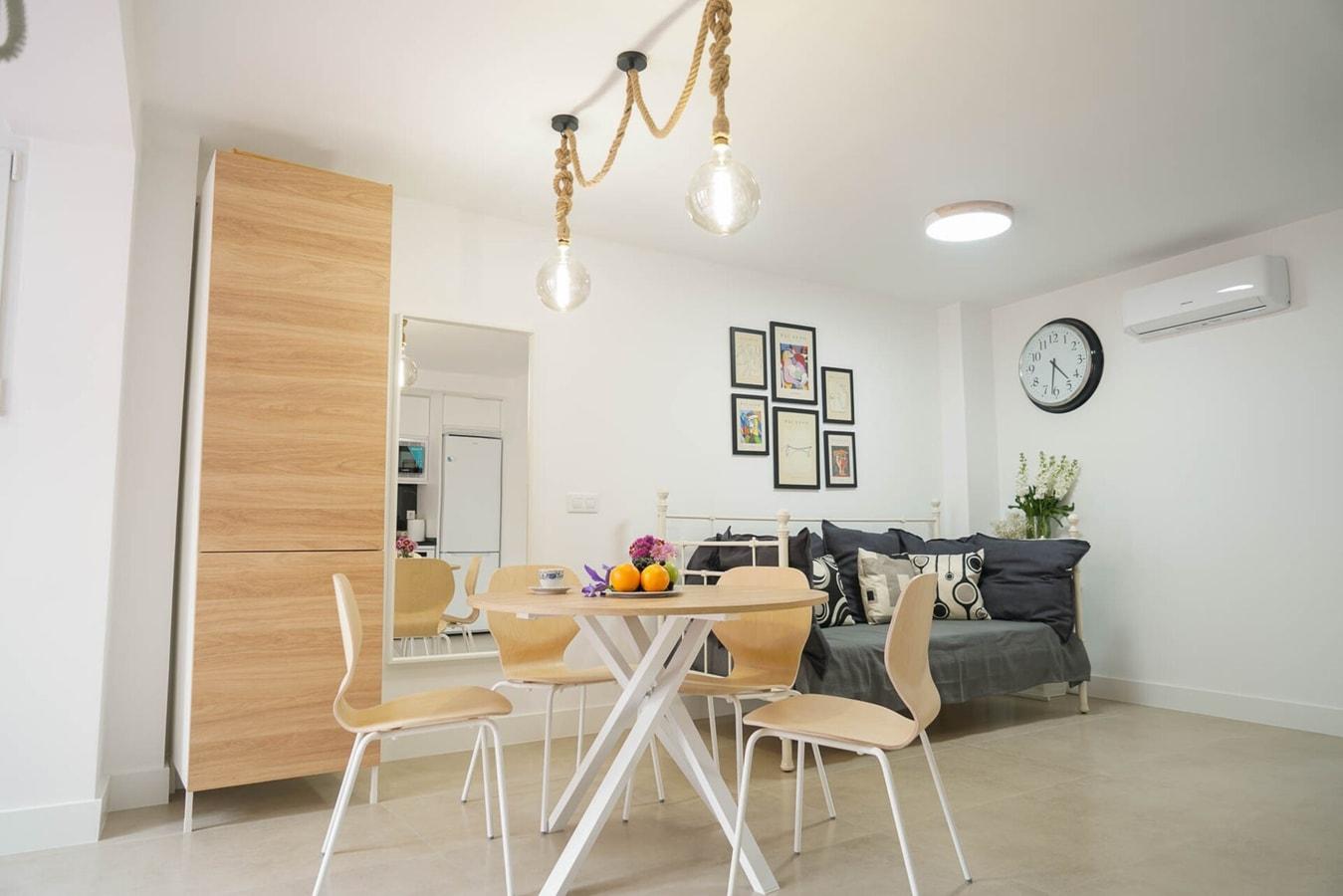
We tell you what your property could earn, what needs work first and what we take off your hands. Free, with no commitment.

