
I bought an apartment in Dubai: how holiday letting works
· 7 min
The single national register for holiday lets was required from 2025 and the Tribunal Supremo struck it down in May 2026. Here is how it worked and what is still compulsory.
Leticia Heres · · 4 min read

Update, 29 July 2026: on 19 May 2026 (judgment 620/2026) the Tribunal Supremo (Spain's Supreme Court) struck down the national single register (NRUA) explained in this article, for encroaching on the powers of the autonomous communities. You no longer have to apply for it. What still applies is your regional holiday-let licence. We explain it in detail in this article.
The Registro Único de Arrendamientos (Spain's single register for rentals) required you to obtain a registration number to advertise certain short-term lets on online platforms, both holiday lets and mid-term lets. The owner had to apply for it at the Registro de la Propiedad (Land Registry), provide the required information and keep the details on the type of let and the use of the property up to date. (BOE)
If you own a holiday let, you have probably already heard about the single holiday-let register (Registro Único de Alquiler Turístico), which came into force in 2025 and which the Tribunal Supremo struck down in May 2026. The idea behind this register was to regulate the market and make sure every home complied with the rules in force. Here is how it worked and what is left of it.
The single holiday-let register was a national database in which every home used as a holiday let had to be registered. With it, the government was seeking more control, transparency and compliance with the rules in the sector.
To register, you had to follow these steps through the Ventanilla Única de Alojamiento de Uso Turístico (single window for tourist accommodation):
1. Prepare the paperwork, which includes:
2. Apply for the registration number at the Colegio de Registradores (Association of Land Registrars).
3. Add your registration number on the letting platforms.
The deadline for registering was 30 June 2025. From then on, platforms such as Airbnb, Booking and others were prohibited from advertising homes that did not have a valid registration number. Since the Supreme Court ruling, that national number is no longer compulsory: what counts for advertising is your autonomous region's tourism registration or code.
This registration had to be renewed every year, which meant submitting certain documents again and making sure the home still complied with the rules.
Basically, they affected every owner who lets their home for tourist or mid-term purposes, whether through platforms such as Airbnb and Booking or directly. Whether you let by the day or week to tourists, or did temporary lets of between 1 and 11 months, you needed to be on this register.
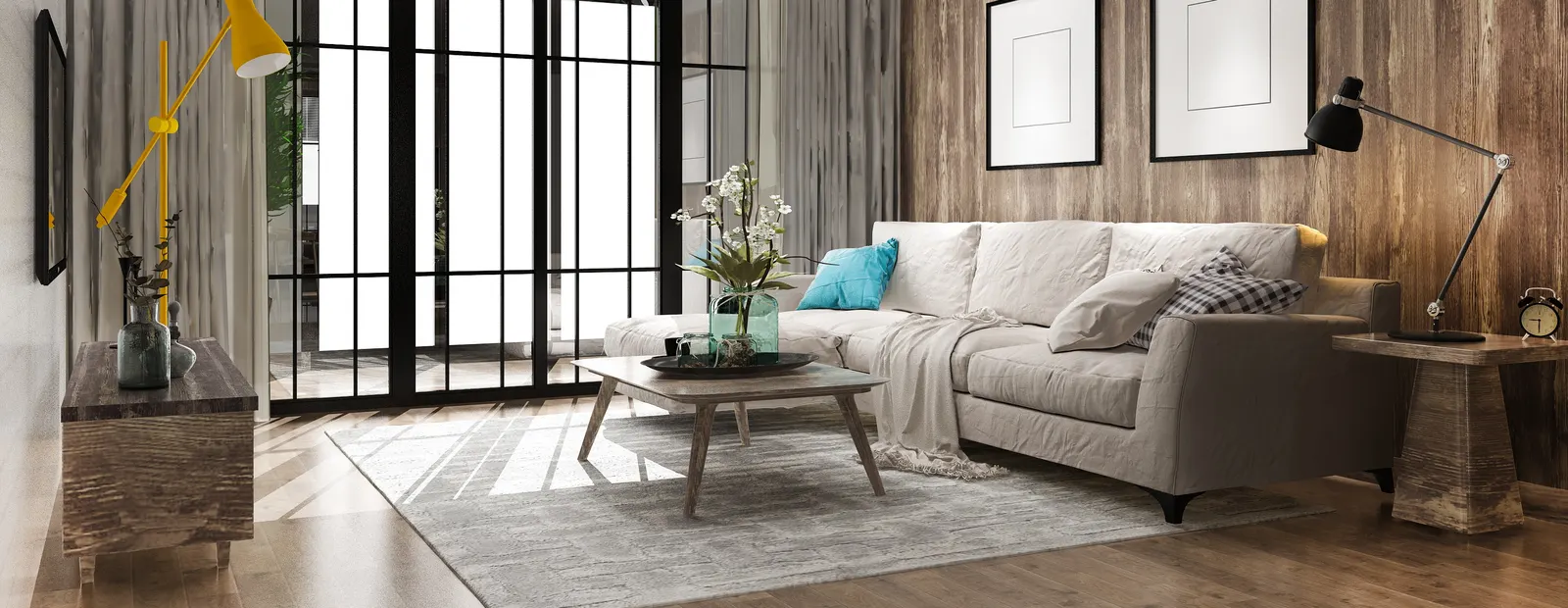
If your property doesn't have a holiday-let licence and you can't get one because of restrictions in your autonomous community, you have options to keep letting legally. The key is to switch your focus to mid-term lets.
A mid-term let (media estancia) is a longer let in which guests stay for reasons other than tourism, such as remote work, studies, medical treatment or temporary relocations.
This type of let also had to be registered with a single registration number, although in the first year there were no specific restrictions. To renew it in the second year, you had to show that the previous year's bookings were genuinely for reasons other than tourism, with contracts or documents that justified those stays. With the single register struck down, that national obligation goes, but it is still worth keeping those contracts.
Depending on the autonomous community where your home is located, there may be a minimum number of days or months for a stay to count as a mid-term let rather than a holiday let. In many cities, lets of more than 30 days are not subject to the same restrictions as holiday lets, which can be an excellent alternative to keep your home on the market without having to resort to long-term lets.
Read more:

If this change worries you, don't worry: at beBalmy we handle both holiday lets and mid-term lets. Our Flex Renting plan lets us adjust letting strategies to the needs of each property, maximising returns with no legal risk.
If you have questions about how the rules affect you or want to explore options for your home, get in touch. We'll be happy to help you find the best solution for you. You can contact us through this form, or send a WhatsApp message.
The single holiday-let register was a national database in which every home used as a holiday let had to be registered, to give the government more control and transparency over the sector. The Tribunal Supremo struck it down in May 2026 for encroaching on regional powers.
No. The Tribunal Supremo struck down the single national register in May 2026 (judgment 620/2026) for encroaching on regional powers. The Ventanilla Única Digital (single digital window) remains, and what counts for advertising is your autonomous region's tourism registration or code. Until then, you signed up through the Ventanilla Única de Alojamiento de Uso Turístico and applied for the number at the Colegio de Registradores.
They affected every owner who let their home for tourist or mid-term purposes, whether through platforms such as Airbnb and Booking or directly, by the day or week to tourists or in temporary lets of between 1 and 11 months.
If your property doesn't have a holiday-let licence and you can't get one because of restrictions in your autonomous community, you have options to keep letting legally. The key is to switch your focus to mid-term lets.
A mid-term let is a longer let in which guests stay for reasons other than tourism, such as remote work, studies, medical treatment or temporary relocations.
We tell you what your property could earn, what needs work first and what we take off your hands. Free, with no commitment.